
The Best Fluffy Pancakes recipe you will fall in love with. Full of tips and tricks to help you make the best pancakes.

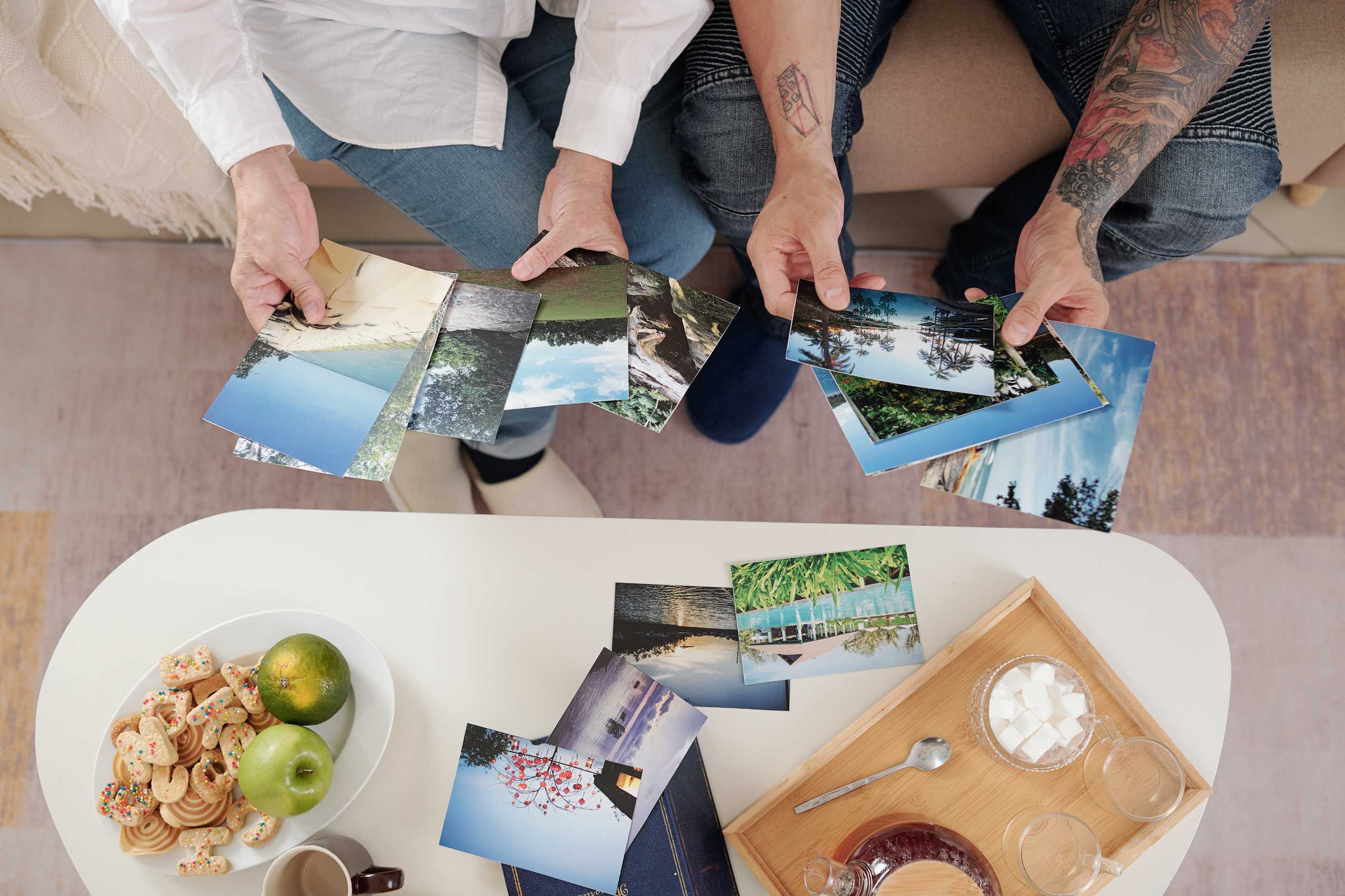
Composition is the backbone of any successful collage. Before starting, consider the story you want to tell. Each photo, texture, and embellishment should contribute to a cohesive narrative that engages viewers and conveys emotion.
Start with a focal point. Choose a primary image that draws the eye immediately. Surround it with supporting elements that enhance the story, create depth, and maintain visual balance. Overlapping layers can create movement, while empty spaces allow breathing room and highlight the central theme.
Pay attention to scale and proportion. Mixing large and small images creates contrast and emphasizes key subjects. Consider symmetry for a structured feel or asymmetry for a dynamic, energetic look that feels spontaneous yet deliberate.
Color schemes influence mood dramatically. Harmonizing tones, using complementary contrasts, or introducing subtle accents can transform the collage’s atmosphere. Soft pastels evoke nostalgia, bold colors energize, and muted shades create sophistication.
Textures and materials add richness. Incorporate scanned sketches, fabric swatches, or paper patterns to provide tactile depth. Blending digital effects with physical elements allows experimentation without losing control over the final design.
Finally, refine patiently. Step back frequently, adjust layers, and solicit feedback. Each iteration brings clarity to your vision, ensuring that the finished collage is visually compelling, emotionally resonant, and personally meaningful.